September 8, 2026
The role of cranes in construction projects cannot be overstated, as they are critical for lifting and transporting heavy materials efficiently. Ensuring crane service safety is paramount in reducing risks and potential accidents. Project managers play a crucial role in implementing safety protocols and fostering a culture of safety on-site. By understanding the various types of cranes and their specific applications, project managers can make informed decisions that enhance project outcomes. With a focus on safety, project success can be achieved through improved efficiency and minimized downtime.
In today's increasingly complex construction environments, the significance of crane safety becomes even more apparent. Project managers must remain vigilant and informed about the latest safety regulations and technological advancements in crane operations. Implementing comprehensive safety strategies can protect both personnel and assets, leading to successful project completions. Moreover, by promoting a culture of safety, managers can ensure that all team members prioritize this critical aspect of their work. The importance of crane service safety, therefore, extends beyond compliance, contributing to the overall success and reputation of construction projects.
Understanding Crane Types and Their Applications
Mobile Cranes
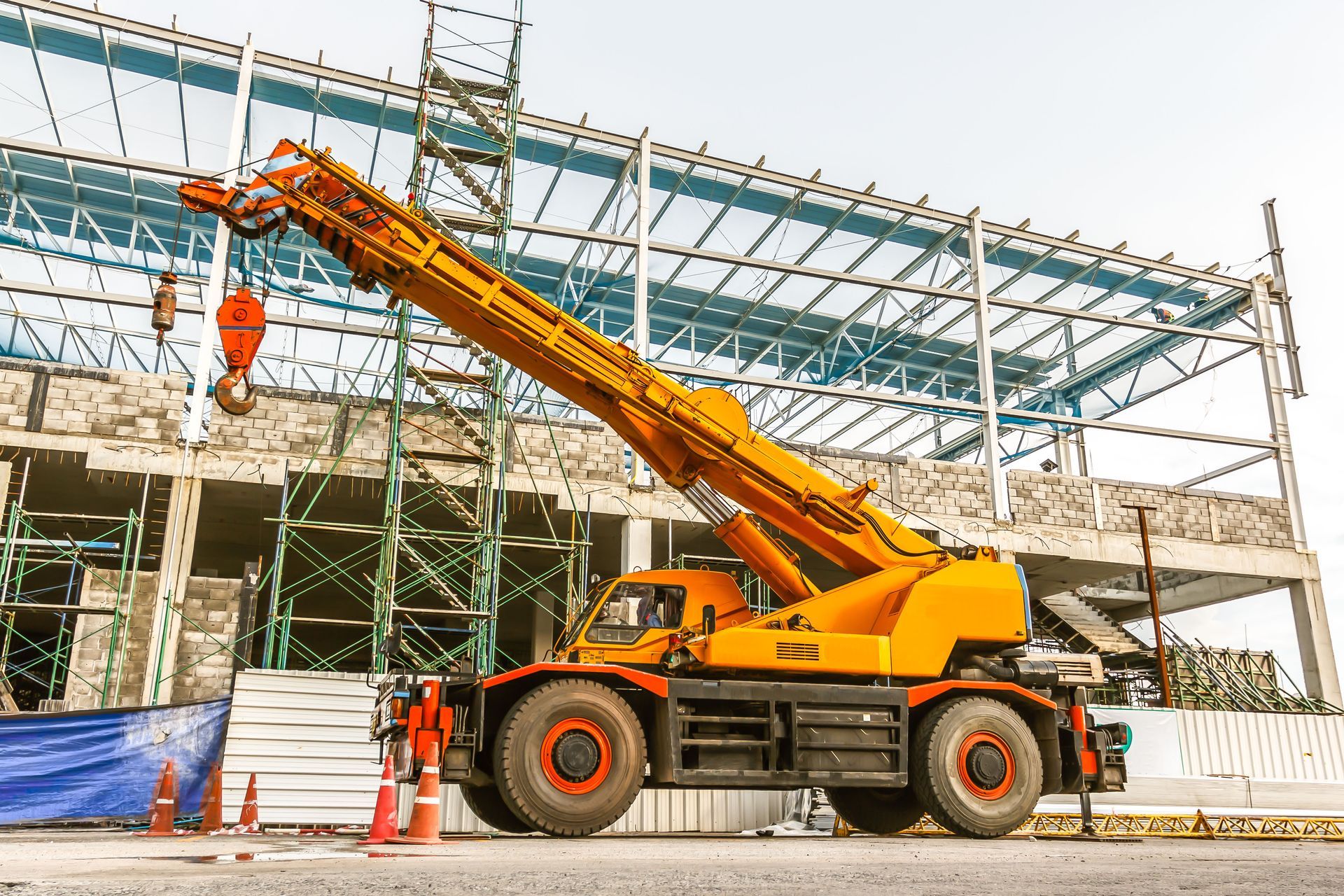
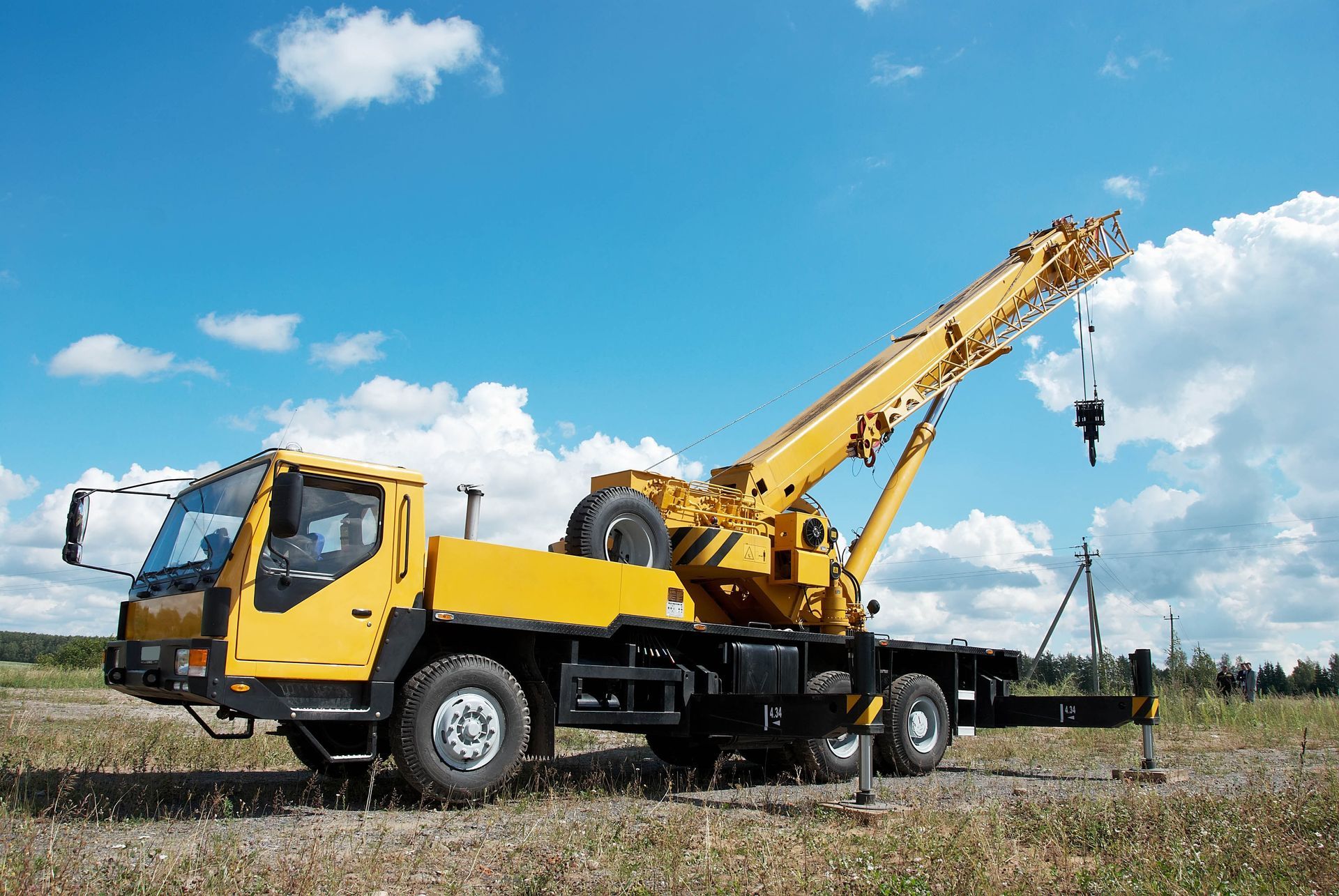
Mobile cranes are renowned for their versatility and adaptability across a wide range of construction projects. These cranes are characterized by their mobility, with wheels or tracks that allow them to maneuver easily on site. Their capacity to travel between job sites provides significant logistical advantages, reducing the need for additional transportation equipment. Mobile cranes can be equipped with various attachments, making them suitable for diverse lifting tasks. Due to their flexibility, they are often the crane of choice for projects requiring quick setup and operation in confined or variable locations.
Another advantage of mobile cranes is their ability to handle variable loads while maintaining stability through their outriggers or counterweights. This capability allows project managers to employ them in various scenarios, from lifting materials to positioning large structures. A key factor in their selection is understanding the load capacity and reach of a specific mobile crane model. Project managers must assess these parameters based on site constraints and project requirements. By choosing the right mobile crane, they can ensure safe and efficient operation, minimizing the risk of accidents or operational delays.
Tower Cranes
Tower cranes are indispensable tools in large-scale construction projects, providing unparalleled height and lifting capacity. These cranes are typically used in the construction of tall buildings, bridges, and other major infrastructure projects. One of their defining features is the ability to lift between 20 and 100 tons, depending on the crane model, according to Heavy Equipment Colleges of America. Tower cranes are generally fixed to a concrete base, providing the stability needed for lifting heavy loads to significant heights. Their design includes a slewing unit that allows for 360-degree rotation, enhancing their operational versatility.
Understanding the structure of tower cranes is essential for efficient project management. These cranes consist of a main jib and a counter-jib, both of which play crucial roles in load distribution and balance. The main jib extends horizontally and is responsible for carrying the load, while the counter-jib holds counterweights to ensure crane stability. Effective coordination and synchronization between the crane's components are vital to maintaining operational safety. By understanding these structural elements, project managers can make informed decisions regarding crane placement and use on site.
Choosing the Right Crane
Selecting the appropriate crane for a given project is a critical decision that hinges on various factors, including project scope, site conditions, and lifting requirements. A project manager needs to possess a thorough understanding of crane types and their unique capabilities. This knowledge allows managers to evaluate factors such as crane reach, lifting capacity, and mobility, aligning them with specific project demands. Proper crane selection impacts not only project efficiency but also operational safety and cost-effectiveness. Ultimately, the right crane can significantly contribute to the overall success of a construction undertaking. A qualified crane service can provide additional insight into equipment capabilities, setup needs, and practical lifting considerations before work begins.
Project managers must consider site-specific conditions when choosing a crane solution. Factors like terrain, space availability, and potential obstacles should inform crane selection and configuration. Conducting a comprehensive site assessment prior to crane deployment enhances decision-making and limits potential operational disruptions. The importance of integrating stakeholder feedback and expertise into the selection process should not be underestimated. This collaborative approach ensures a well-rounded perspective on crane requirements and facilitates seamless integration into the construction workflow.
Regulatory Safety Standards and Compliance
OSHA Regulations
Compliance with Occupational Safety and Health Administration (OSHA) regulations is essential for maintaining crane service safety on construction sites. These standards provide a comprehensive framework for safe crane operations, addressing everything from equipment requirements to operator training. Project managers must familiarize themselves with specific OSHA regulations related to crane operations to ensure adherence to safety protocols and avoid costly penalties. By integrating OSHA guidelines into daily operations, managers can foster a safe working environment and protect personnel from workplace hazards. Compliance not only safeguards workers' well-being but also enhances the reputation of construction projects.
OSHA regulations encompass various aspects of crane safety, including load capacities, operational procedures, and maintenance requirements. Managers should ensure that all equipment meets these standards through routine inspections and maintenance checks. Moreover, they must guarantee that crane operators hold the necessary certifications and receive adequate ongoing training. By upholding these regulatory mandates, project managers can mitigate potential risks and safeguard their teams from accidents. Emphasizing OSHA standards as a foundational element of crane safety strategies encourages a culture of diligence and accountability on-site.
ANSI Standards
The American National Standards Institute (ANSI) provides additional guidelines that complement OSHA regulations in crane safety. These standards offer detailed recommendations for equipment design, testing, and operation, ensuring that cranes are safe and reliable. Compliance with ANSI standards is voluntary but highly recommended, as adherence demonstrates a commitment to excellence and worker safety. By integrating ANSI guidelines into their safety protocols, project managers can enhance operational efficiency while minimizing potential risks. Furthermore, ANSI standards often serve as a benchmark for industry best practices, providing valuable insights into effective crane management techniques.
ANSI standards cover various aspects of crane safety, including load testing, signaling methods, and operator qualifications. Project managers should ensure that all cranes meet these specifications, thereby enhancing safety and operational reliability. Adhering to ANSI guidelines supports informed decision-making, particularly when selecting equipment and determining appropriate safety measures. Establishing standardized practices based on ANSI recommendations fosters consistency and reduces the likelihood of errors or accidents. By prioritizing ANSI standards, project managers can elevate their safety strategies and demonstrate a commitment to industry-leading practices.
Crane safety depends on much more than selecting equipment with enough lifting capacity. Project managers must evaluate site conditions, match the crane to the work, verify operator qualifications, follow applicable regulations, document inspections, and identify hazards before lifting begins. Working with a dependable crane service can strengthen this planning by bringing equipment knowledge and operational experience into the process. When these responsibilities are handled carefully, teams are better positioned to reduce delays, protect workers, and keep complex lifting operations organized.
Safety should remain an active priority from the earliest planning stages through the final lift. Clear communication, ongoing training, regular equipment checks, and careful risk assessments help create a work environment where potential problems are addressed before they become incidents. Whether a project relies on mobile, tower, overhead, or loader cranes, choosing the right crane service and maintaining consistent safety practices can support efficient operations and more successful project outcomes. Call Dan's Crane Service today to learn more.